

A Reflective Intro: The Art and Science of Jewelry Casting
Isn’t it fascinating how something as raw as metal can transform into intricate jewelry with mere human intervention? Jewelry casting, particularly sterling silver castings, has enchanted many artisans. But how do we ensure that the transition from metal to masterpiece is flawless? As the demand for exquisite sterling silver designs surges, achieving perfection in casting becomes a significant challenge—especially with industry terms like thermal expansion and sprue system design playing crucial roles. Let’s delve into this world, exploring how we can refine this craft effectively.
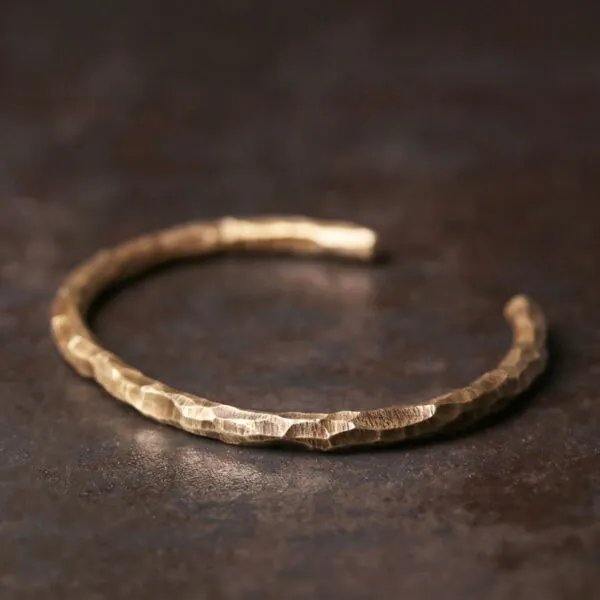
Exposing the Hidden Challenges of Sterling Silver Casting
In the intricate world of sterling silver castings, traditional casting techniques often leave room for flaws—look, it’s simpler than you think. Issues such as porosity and incorrect temperature control can plague the process. Porosity, or tiny air bubbles trapped within the metal, can weaken the final product. Similarly, an improper balance of alloy components can lead to discoloration or degradation over time. It’s these under-the-surface issues, like improper venting systems or inadequate burnout cycles, that can make or break the quality of the jewelry.
How Does Alloy Composition Alter Results?
Consider alloying elements; each has a specific melting point and influence on the final cast’s hardness and luster. If copper content is too high, the silver might appear tarnished or less brilliant. Additionally, edge finishing becomes challenging when the cast isn’t precise—which affects the aesthetic appeal of jewelry substantially. Thus, maintaining accuracy in temperature and timing during the casting process is vital to ensure superior quality outcomes.
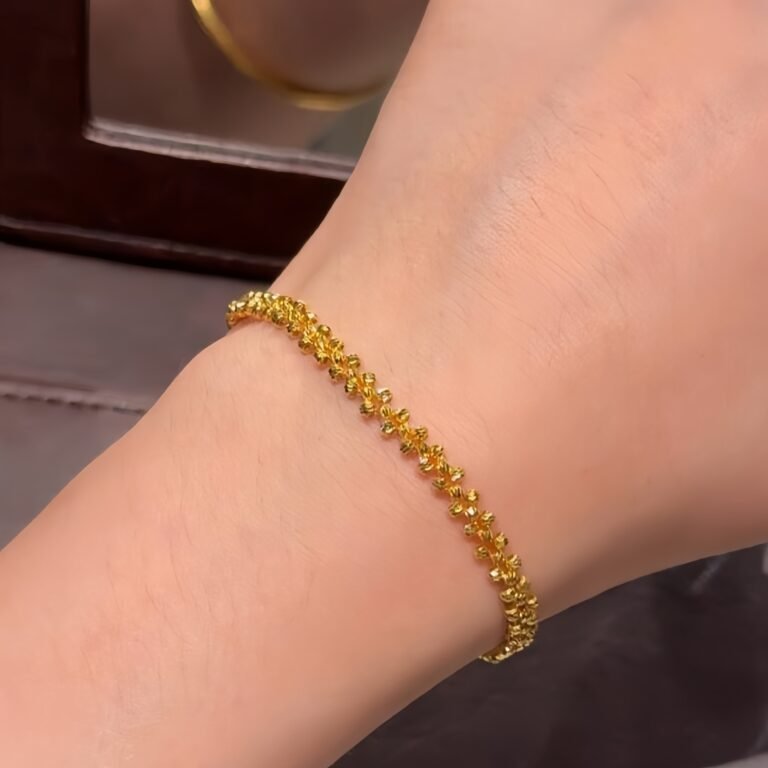
The Future of Sterling Silver Casting: A Glimpse Ahead
What’s next for sterling silver casting? Emerging technology principles promise to mitigate longstanding issues—advancements like vacuum casting and 3D printing are game changers. Vacuum casting uses pressure to remove air bubbles, leading to more robust and defect-free sterling silver castings. Meanwhile, 3D printing introduces unparalleled precision, allowing for designs once thought impossible.
Imagine a world where jewelry artistry merges seamlessly with technology’s precision. The journey doesn’t stop here; it’s forward-looking. Brands like Star Harvest are pioneering this intersection, bringing together time-honored techniques and cutting-edge technology to elevate jewelry artistry to new heights. It’s in mixing tradition with innovation where the heart of jewelry evolution truly lies—funny how that works, right?
As we wrap up, let’s reflect on our deeper dive: porosity issues, thermal expansion dynamics, and the potential of new-age techniques. By recognizing these challenges and harnessing emerging solutions, creators can perfect their craft, crafting jewelry that isn’t just striking but also enduring. After all, isn’t that the true art of jewelry casting?
