
Smartphones have become an important part of everyday life, changing how people communicate, learn, work, and enjoy entertainment. Gaming is one of the most popular activities on mobile devices because it offers convenience, accessibility, and a wide variety of experiences. From simple puzzle challenges to advanced multiplayer adventures, smartphone gaming provides entertainment for people of different ages. However, an important question deserves attention: how does smartphone gaming affect performance?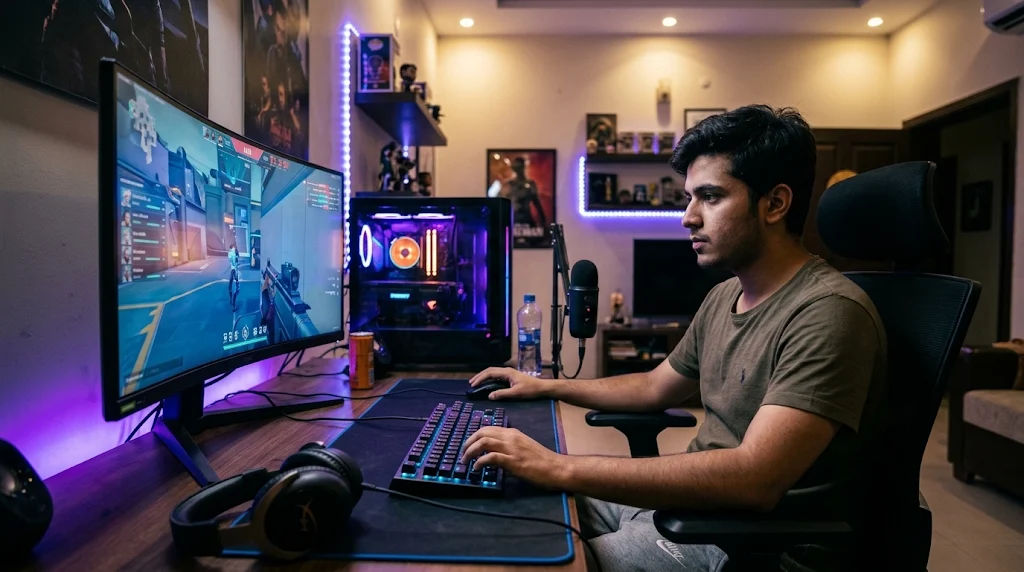
Smartphone gaming can influence several areas of performance, including concentration, memory, reaction time, problem-solving abilities, and everyday productivity. Some games encourage players to think quickly, make decisions, and develop strategies. Others can become distracting when played for extended periods. Similarly, online games can create opportunities for social interaction, teamwork, and friendly competition, but excessive gaming may interfere with responsibilities and healthy daily routines.
Understanding these effects helps players make better decisions about their gaming habits. Smartphone gaming is not automatically beneficial or harmful. Its impact depends on the type of game, the amount of time spent playing, the player's habits, and how gaming fits into everyday life. This comprehensive guide explores the different ways smartphone gaming affects performance and explains how to maintain a healthy balance.
Smartphone Gaming and Its Growing Popularity
Smartphone gaming refers to playing digital games on mobile devices such as Android phones and iPhones. Unlike traditional gaming systems, smartphones allow players to access games almost anywhere.
Mobile games are available in many categories, including:
-
Puzzle and brain-training games.
-
Racing and sports games.
-
Strategy and simulation games.
-
Adventure and exploration games.
-
Multiplayer and competitive games.
-
Educational and creative games.
Each category requires different abilities. Puzzle games may encourage logical thinking, while racing games often require quick reactions and attention.
The popularity of smartphone gaming comes from its convenience. Players do not need expensive equipment to enjoy many mobile titles. A suitable smartphone and an internet connection can provide access to thousands of gaming experiences.
How Smartphone Gaming Affects Mental Performance
Mental ydeevne omfatter evnen til at koncentrere sig, huske information, forstå problemer og træffe beslutninger. Smartphone-spil på platforme som OPEN 88 kan påvirke disse evner på forskellige måder.
De fleste multiplayer-spil kommunikerer med eksterne servere. Når en spiller udfører en handling, sendes information via internettet til spilserveren.
1. Improving Concentration and Attention
Many mobile games require players to focus on several activities simultaneously. For example, a strategy game may require players to monitor resources, understand opponents, and plan their next moves.
These activities can encourage focused attention.
Some games also introduce increasingly difficult challenges. Players must observe details, identify important information, and respond appropriately.
However, gaming does not automatically improve concentration in every situation. Frequently switching between games, messages, and other applications may encourage distracted habits.
The key is understanding the difference between focused gameplay and constantly changing activities.
2. Supporting Memory Development
Memory plays an important role in learning and everyday performance.
Certain smartphone games require players to remember instructions, locations, patterns, characters, and previous decisions.
For example, a memory-based puzzle may ask players to recognize matching symbols. Strategy games may require remembering previous actions and understanding how different decisions affect future situations.
These activities provide opportunities to practise memory skills.
However, improvements in a particular game do not necessarily mean that memory will improve equally in school, work, or other activities.
3. Developing Problem-Solving Abilities
Problem-solving is another important area that smartphone gaming can influence.
Many games present players with challenges that require logical thinking and careful planning.
Players may need to:
-
Identify the main problem.
-
Examine available information.
-
Compare possible solutions.
-
Select an appropriate strategy.
-
Evaluate the results.
-
Adjust their approach when necessary.
Puzzle and strategy games are particularly useful examples because they encourage players to think through different possibilities.
These experiences can make problem-solving activities enjoyable while providing opportunities to practise logical reasoning.
4. Influencing Reaction Time
Reaction time refers to how quickly someone responds to a particular situation.
Action, racing, and sports games frequently require players to respond to changing situations. They may need to recognize visual signals, avoid obstacles, or select the correct action within a short period.
Regular practice may improve familiarity with the specific tasks involved in a game.
However, this does not guarantee better reaction times in every real-world situation. Reaction speed depends on several factors, including sleep, attention, physical condition, and experience.
How Smartphone Gaming Affects Academic Performance
Smartphone gaming can have both positive and negative effects on academic activities.
The outcome largely depends on how students organize their time and whether gaming interferes with their educational responsibilities.
1. Encouraging Learning Through Interactive Experiences
Some mobile games are designed specifically for education.
They introduce subjects through interactive challenges, visual demonstrations, quizzes, and problem-solving activities.
For example, educational games can help students practise:
-
Mathematics and calculations.
-
Vocabulary and language skills.
-
General knowledge.
-
Scientific concepts.
-
Logical reasoning.
-
Historical information.
These games can make certain learning activities more engaging.
Students may also find it easier to understand difficult topics when information is presented through interactive examples.
2. Creating Distractions During Study Time
One major disadvantage of smartphone gaming is distraction.
Mobile games are easily accessible, which means students may feel tempted to play while studying.
Notifications, rewards, new challenges, and multiplayer invitations can interrupt concentration.
When students repeatedly stop studying to check a game, they may lose their focus and require additional time to return to their original task.
This can reduce study efficiency.
A practical solution is to complete important academic responsibilities before starting recreational gaming.
3. Affecting Homework and Time Management
Time management is essential for maintaining good academic performance.
Some games include daily challenges, competitive events, and reward systems that encourage frequent participation.
Without clear limits, players may spend more time gaming than originally planned.
This can leave less time for homework, reading, revision, and other important activities.
Creating a daily schedule helps prevent these problems. Students can include gaming as a recreational activity after completing their educational responsibilities.
How Smartphone Gaming Affects Physical Performance
Although gaming mainly involves mental activities, smartphone use can also influence physical comfort and daily habits.
1. Eye Comfort and Visual Fatigue
Looking at a smartphone screen for extended periods may cause temporary eye discomfort.
Some common experiences include:
-
Dry or tired eyes.
-
Difficulty maintaining visual comfort.
-
Temporary blurred vision.
-
Headaches.
-
Increased sensitivity to bright screens.
These effects can become more noticeable when players use their phones continuously without taking breaks.
To support eye comfort, players should follow healthy screen habits.
Taking regular breaks, adjusting screen brightness, and keeping a comfortable viewing distance can help reduce unnecessary strain.
2. Posture and Body Comfort
Smartphone gaming often involves looking downward while holding a device.
Maintaining the same position for long periods may contribute to neck, shoulder, wrist, and hand discomfort.
Good posture can make gaming sessions more comfortable.
Players should avoid holding their devices in awkward positions and should change their posture regularly.
Using a suitable chair and supporting the arms can also improve comfort during longer sessions.
3. Sleep Quality and Daily Energy
Sleep is essential for concentration, memory, learning, and physical recovery.
Playing games late at night may interfere with a healthy sleep schedule, particularly when gaming keeps someone mentally stimulated or delays bedtime.
Screen use before sleeping can also make it harder for some people to relax.
Insufficient sleep may affect:
-
Attention during lessons.
-
Memory and learning.
-
Decision-making abilities.
-
Mood and motivation.
-
Everyday energy levels.
Maintaining a consistent bedtime and avoiding gaming close to bedtime can support better sleep habits.
How Online Games Affect Social Performance
Smartphone gaming is not always a solitary activity. Many mobile titles include multiplayer features that allow players to communicate and cooperate.
1. Encouraging Teamwork
Team-based games often require players to work together.
Each participant may have a different responsibility, and successful gameplay depends on communication and cooperation.
Players learn to coordinate actions, share information, and respond to changing situations.
These experiences can provide opportunities to practise teamwork.
2. Developing Communication Skills
Multiplayer experiences sometimes involve text messages, voice communication, and team discussions.
Players may need to explain strategies, provide instructions, or communicate important information.
These activities can encourage clear communication.
However, players should communicate respectfully and avoid sharing personal information with strangers.
3. Creating Healthy Competition
Competitive gaming introduces players to challenges that involve progress, achievement, and improvement.
Players can learn that success often requires practice and patience.
They may also become more comfortable accepting mistakes and adjusting their strategies.
Healthy competition should remain enjoyable. Losing a game should not become a reason for frustration or arguments.
Negative Effects of Excessive Smartphone Gaming
Although smartphone gaming can provide entertainment and opportunities for skill development, excessive use may negatively affect everyday performance.
1. Reduced Productivity
Spending too much time playing games can reduce the time available for important activities.
Students may delay homework, while adults may postpone household responsibilities or professional tasks.
This can create unnecessary pressure.
Establishing reasonable gaming limits can help maintain a better balance.
2. Difficulty Managing Attention
Some mobile games provide frequent rewards, visual effects, and changing challenges.
Players may become accustomed to receiving constant stimulation.
As a result, slower activities such as reading, studying, or completing lengthy assignments may sometimes feel less interesting.
This experience varies between individuals, and it does not mean that gaming permanently damages attention.
Developing different hobbies and practising activities that require sustained concentration can support balanced habits.
3. Emotional Frustration
Competitive games can sometimes create frustration when players lose or struggle with difficult challenges.
Repeated competition may also create unnecessary pressure.
Players should recognize when gaming stops being enjoyable.
Taking a break, changing activities, or choosing less competitive games can help maintain a positive experience.
4. Reduced Physical Activity
Smartphone gaming usually involves sitting or remaining in one position.
If gaming replaces outdoor activities, sports, walking, or other movement, overall physical activity may decrease.
Regular movement is important for physical health and everyday energy.
Players should include physical activities in their daily routines rather than allowing gaming to replace them.
Factors That Determine the Impact of Smartphone Gaming
Not every player experiences the same effects. Several factors influence whether smartphone gaming supports or interferes with performance.
1. Type of Game
Different games require different abilities.
For example:
-
Puzzle games encourage logical thinking.
-
Strategy games involve planning and decision-making.
-
Educational games support subject-based learning.
-
Racing games involve visual attention and quick responses.
-
Multiplayer games encourage communication and teamwork.
Choosing games with meaningful challenges can make gaming more engaging.
2. Time Spent Playing
The amount of time spent gaming is an important consideration.
Short recreational sessions may fit comfortably into a balanced routine.
However, gaming for extended periods can interfere with sleep, physical activity, studying, and other responsibilities.
Players should pay attention to how gaming affects their everyday activities rather than focusing only on the number of hours.
3. Age and Individual Needs
Different people have different responsibilities and developmental needs.
Students may need to prioritize homework, reading, and sufficient sleep.
Adults may need to balance gaming with employment, family responsibilities, and other activities.
Personal circumstances should determine appropriate gaming habits.
4. Game Design and Notifications
Some mobile games use notifications, reward systems, and competitive events to encourage repeated engagement.
These features can make players feel that they need to return frequently.
Turning off unnecessary notifications and avoiding constant checking can help players maintain control over their schedules.
How to Maintain Healthy Smartphone Gaming Habits
Developing healthy gaming habits is one of the most effective ways to enjoy mobile entertainment without unnecessarily affecting everyday performance.
1. Create a Balanced Gaming Schedule
Planning gaming sessions can prevent entertainment from interfering with important responsibilities.
Students should complete their homework and other essential activities before spending time on recreational games.
A schedule should also include sufficient sleep, meals, physical activity, and relaxation.
2. Take Regular Breaks
Continuous screen use can cause eye discomfort and physical fatigue.
Players should take regular breaks during gaming sessions.
Standing up, stretching gently, looking away from the screen, and moving around can improve comfort.
Breaks also provide an opportunity to evaluate whether continued gaming is still enjoyable.
3. Choose Games Carefully
Selecting appropriate games can improve the overall experience.
Educational, creative, puzzle, and strategy games may provide interesting mental challenges.
Players should also consider whether a game contains excessive advertisements, unnecessary purchases, or features that encourage unhealthy competition.
4. Protect Sleep Time
A consistent sleep schedule supports better mental and physical performance.
Players should avoid allowing gaming sessions to extend into their normal sleeping hours.
Keeping smartphones away from the bed can also reduce unnecessary nighttime distractions.
5. Balance Gaming With Other Activities
Smartphone gaming should be one part of a varied daily routine.
Other activities can include:
-
Reading books.
-
Playing outdoor sports.
-
Walking or cycling.
-
Learning new skills.
-
Spending time with family.
-
Participating in creative hobbies.
-
Meeting friends.
A variety of activities helps develop different abilities and supports a healthier lifestyle.
The Role of Technology in Smartphone Gaming Performance
Smartphone technology also affects the quality of the gaming experience.
Modern mobile devices include improved processors, graphics systems, displays, and battery technologies.
These features influence how smoothly games operate.
1. Processor and Graphics Performance
A smartphone's processor handles many of the calculations required by mobile games.
The graphics processing unit manages visual elements such as characters, environments, lighting, and animations.
Powerful hardware can provide smoother gameplay, particularly in demanding titles.
However, performance also depends on software optimization and the game's requirements.
2. RAM and Storage
Random Access Memory, commonly known as RAM, helps smartphones manage active applications and game processes.
Insufficient available memory can sometimes contribute to slowdowns.
Storage space is also important because modern games may require considerable room for installation, updates, and additional content.
Keeping enough free storage can help maintain reliable device performance.
3. Battery Life and Heating
Gaming can consume significant battery power because it requires processing, graphics, display activity, and sometimes internet connectivity.
Demanding games may also cause smartphones to become warm.
Excessive heat can reduce device comfort and may affect performance.
Players should avoid covering their devices during demanding gaming sessions and should follow the manufacturer's charging and temperature guidance.
4. Internet Connection and Multiplayer Performance
Online multiplayer games depend on internet connectivity.
A stable connection helps reduce interruptions and communication delays.
Weak connectivity may result in lag, delayed responses, or unexpected disconnections.
Players should use reliable networks and avoid downloading large files while participating in important multiplayer sessions.
Measuring the Effects of Smartphone Gaming on Performance
Understanding the effects of gaming becomes easier when players observe their daily habits.
Instead of assuming that gaming is helping or harming performance, they can examine practical changes.
For example, players can consider the following questions:
-
Am I completing my daily responsibilities on time?
-
Can I concentrate during study sessions?
-
Am I getting enough sleep?
-
Do I remain physically active?
-
Is gaming still enjoyable?
-
Do I become frustrated when I cannot play?
-
Can I stop playing when necessary?
These questions help identify whether gaming is fitting comfortably into everyday life.
If gaming repeatedly interferes with schoolwork, sleep, relationships, or other responsibilities, adjusting gaming habits may be necessary.
Future of Smartphone Gaming and Human Performance
Smartphone gaming continues to develop as mobile technology improves.
Better graphics, artificial intelligence, cloud gaming, and faster internet connections are creating new possibilities.
1. Artificial Intelligence in Mobile Games
Artificial intelligence can make games more interactive by adjusting challenges and creating more responsive virtual opponents.
Some educational applications may also use adaptive systems to provide exercises based on a player's progress.
These developments could make certain gaming experiences more personalized.
2. Cloud Gaming
Cloud gaming allows supported games to run on remote servers while the smartphone receives streamed audio and video.
This approach can make some advanced gaming experiences available on devices with less powerful hardware.
However, a reliable internet connection is important for smooth performance.
3. Educational Gaming Opportunities
The combination of mobile technology and interactive learning may create new educational opportunities.
Future games could offer more realistic simulations, interactive science activities, and engaging language exercises.
Such developments may support learning when they are designed around clear educational goals.
4. Greater Focus on Digital Well-Being
As mobile gaming becomes more advanced, digital well-being will remain important.
Device manufacturers and game developers can introduce features that help users understand screen time, manage notifications, and control purchases.
Players also have a responsibility to make informed choices about their digital activities.
Conclusion
Smartphone gaming affects performance in several ways, influencing mental abilities, academic activities, physical comfort, social interaction, and everyday productivity. Its overall impact depends on the type of game, the amount of time spent playing, individual habits, and the responsibilities that players need to manage.
On the positive side, certain games provide opportunities to practise problem-solving, memory, strategic thinking, communication, and decision-making. Educational games can also make learning more interactive, while multiplayer experiences can encourage teamwork and cooperation. These benefits make smartphone gaming an enjoyable form of digital entertainment when used appropriately.
However, excessive gaming can create challenges. Spending too much time on mobile games may reduce study time, interrupt sleep, encourage sedentary habits, and affect concentration. Long gaming sessions may also contribute to eye discomfort and physical fatigue. These disadvantages highlight the importance of maintaining reasonable limits.
The best approach is to treat smartphone gaming as one part of a balanced lifestyle. Players should prioritize education, responsibilities, sleep, physical activity, and meaningful social relationships. Taking breaks, choosing suitable games, managing notifications, and following a consistent schedule can make gaming more enjoyable.
Ultimately, smartphone gaming does not determine a person's performance by itself. The decisions people make about their gaming habits matter much more. With responsible use, online games and other mobile entertainment experiences can provide enjoyment and opportunities to develop useful skills without unnecessarily interfering with everyday goals.