
A water heater is an important part of everyday comfort. It provides hot water for showers, washing dishes, laundry, and other household activities. When a water heater suddenly stops producing hot water, a faulty pilot light may be responsible. This problem is particularly common in traditional gas water heaters that rely on a pilot flame to ignite the main burner. Understanding why the pilot light stops working can help homeowners recognize the problem and arrange the right repair.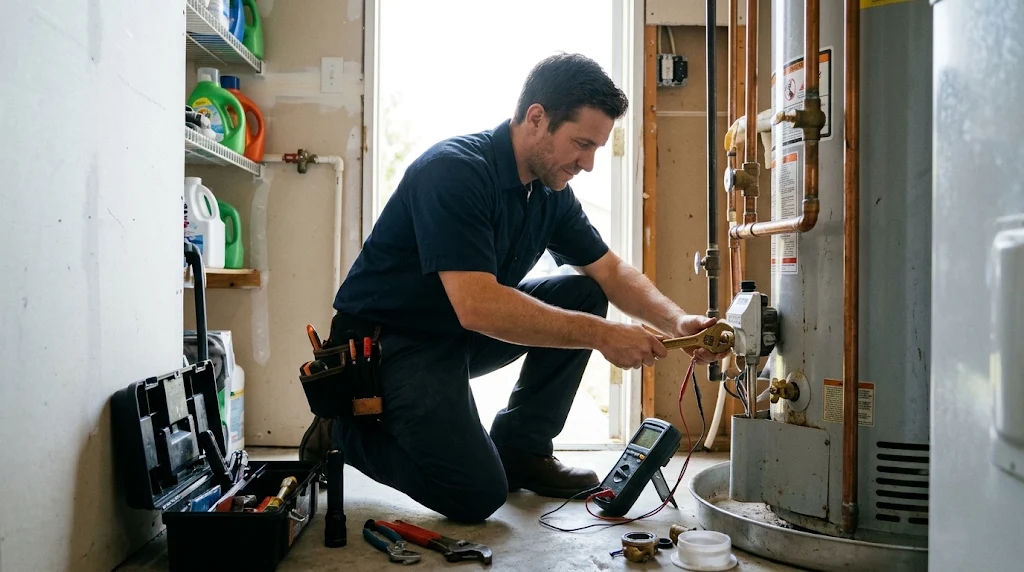
A pilot light is a small, continuously operating flame that helps a gas water heater produce heat when needed. If it goes out, becomes unstable, or fails to remain lit, the appliance may stop heating water properly. Water Heater Repair Albuquerque NM services can help identify the reason behind a bad pilot, determine whether a component needs attention, and restore reliable water heating. Professional diagnosis is especially important because gas appliances require careful handling and appropriate safety procedures.
Whether the problem involves a faulty thermocouple, a blocked pilot assembly, a gas supply issue, or another malfunction, understanding the repair process makes it easier to know what to expect. This guide explains how pilot lights work, what causes common problems, how professionals diagnose them, and when replacing a component may be necessary.
How a Water Heater Pilot Light Works
A pilot light is a small flame inside a gas water heater. Its primary purpose is to ignite the main burner when the thermostat signals that the water needs heating.
Unlike electric water heaters, which use electrical heating elements, traditional gas models depend on controlled gas combustion. The pilot light plays an important role in this process.
When the water temperature drops below the thermostat's selected setting, the gas control system allows the main burner to operate. The burner produces heat, which transfers to the water inside the storage tank.
Once the water reaches the desired temperature, the burner shuts off. Depending on the appliance design, the pilot flame may remain lit so the system is ready for another heating cycle.
Why the Pilot Light Is Important
A properly functioning pilot light helps maintain consistent water heating. If it goes out, the main burner may not ignite.
This can create several noticeable problems:
-
The water heater stops producing hot water.
-
Water temperature becomes inconsistent.
-
The appliance repeatedly fails to start.
-
The pilot light does not remain lit.
-
The water heater requires professional attention.
A pilot light problem does not automatically mean the entire water heater needs replacement. In many situations, repairing or replacing one faulty component may resolve the issue.
Common Reasons a Water Heater Pilot Light Goes Bad
Several different problems can prevent a pilot light from operating correctly. Identifying the actual cause is important because replacing the wrong component may not solve the problem.
1. A Faulty Thermocouple
A thermocouple is a safety component that detects whether the pilot flame is present. It helps control the gas supply by communicating with the water heater's gas control system.
When the thermocouple becomes damaged, worn, or defective, it may incorrectly detect that the pilot flame has gone out.
As a result, the safety system may stop the flow of gas. This can cause the pilot light to go out repeatedly or prevent it from staying lit.
A technician providing Water Heater Repair Albuquerque NM can inspect the thermocouple and determine whether it needs cleaning, adjustment, or replacement.
2. A Dirty or Blocked Pilot Assembly
Dust, dirt, and other accumulated particles can interfere with the pilot assembly.
Over time, contamination may restrict the flow of gas or affect the flame's stability. A restricted pilot opening can prevent the flame from burning consistently.
Professional cleaning may resolve some of these problems. However, damaged or heavily deteriorated components may require replacement.
3. Gas Supply Problems
A gas water heater needs an appropriate and consistent gas supply to operate.
If the supply is interrupted or becomes unstable, the pilot light may go out. Problems involving the gas supply, shutoff equipment, or other connected components can affect performance.
A technician can assess the appliance and determine whether the problem originates inside the water heater or elsewhere in the gas supply system.
Homeowners should never attempt to repair gas connections or investigate suspected gas leaks themselves.
4. Drafts and Ventilation Problems
Strong air movement around a water heater can interfere with pilot flame stability.
Drafts may enter through nearby openings, poorly sealed areas, or ventilation problems. In some cases, improper venting can also affect combustion and appliance safety.
Professional inspection helps determine whether the water heater is installed and ventilated appropriately.
5. A Defective Gas Control Valve
The gas control valve regulates the gas supplied to the pilot and main burner.
If this component develops an internal fault, it may prevent the pilot from operating correctly. The appliance might also experience inconsistent heating or fail to maintain the correct temperature.
A qualified technician can evaluate the valve and determine whether repair or replacement is appropriate.
Can Water Heater Repair Albuquerque NM Fix a Bad Pilot?
Yes. Professional repair services can often resolve pilot light problems without replacing the entire water heater.
The appropriate solution depends on the underlying cause. A technician first evaluates the appliance, identifies the defective component, and determines whether the system can be repaired safely.
Water Heater Repair Albuquerque NM professionals may address several types of pilot-related problems, including faulty thermocouples, dirty pilot assemblies, defective gas control valves, and ventilation concerns.
However, not every pilot problem has the same solution. Replacing a thermocouple will not correct an unrelated gas supply problem, for example.
That is why accurate diagnosis is an essential part of the repair process.
Professional Pilot Light Inspection
A professional inspection usually begins with an evaluation of the water heater's overall condition.
The technician may examine:
-
The pilot assembly and its surrounding components.
-
The thermocouple or other flame-sensing equipment.
-
The gas control valve.
-
The appliance's ventilation and exhaust system.
-
Signs of corrosion or physical deterioration.
-
The general condition of the burner assembly.
This inspection helps narrow down the possible causes and establish an appropriate repair plan.
Repairing or Replacing Faulty Components
After identifying the issue, the technician explains which components require attention.
Some problems may be resolved through professional cleaning or adjustments. Others require replacement parts.
The technician should also check whether related components have been affected by the original malfunction.
A complete repair focuses on restoring safe operation rather than simply getting the pilot flame to remain lit temporarily.
Signs That Your Water Heater Has a Pilot Light Problem
Recognizing early warning signs can help homeowners arrange professional assistance before a minor issue becomes a larger inconvenience.
No Hot Water
One of the most obvious signs is a complete loss of hot water.
If the pilot light goes out, the main burner may not operate. Consequently, the water inside the tank gradually cools.
If hot water does not return, professional inspection can help determine whether the pilot system is responsible.
Water Takes Longer to Heat
A malfunctioning pilot system can interfere with normal heating cycles.
You may notice that the water heater takes longer than usual to provide hot water. This may also indicate problems involving the burner, thermostat, or gas control equipment.
Repeated Pilot Light Failure
A pilot light that repeatedly goes out should not be ignored.
Frequent failure may indicate a damaged thermocouple, unstable gas supply, ventilation concerns, or another mechanical problem.
Repeatedly attempting to restart the appliance without understanding the cause is not an appropriate solution.
Unusual Appliance Behavior
Other warning signs may include unusual noises, inconsistent heating, or visible deterioration around the appliance.
Some symptoms can indicate problems unrelated to the pilot light, so a professional assessment is important.
If you smell gas, leave the building immediately, avoid operating electrical switches or using flames, and contact your gas utility or emergency services from a safe location.
How Professionals Diagnose a Bad Pilot Light
Accurate diagnosis is essential for effective water heater repair. A technician should evaluate the complete system instead of assuming that the pilot assembly is automatically responsible.
Step 1: Reviewing the Symptoms
The process often begins with questions about the water heater's performance.
The technician may ask when the problem started, whether hot water is completely unavailable, and whether the pilot has experienced repeated failures.
This information helps establish a starting point for inspection.
Step 2: Examining the Pilot Assembly
The technician checks the pilot assembly for visible damage, contamination, or deterioration.
The condition of the surrounding components can provide useful information about the cause of the malfunction.
Step 3: Checking Safety Components
The thermocouple, flame sensor, and gas control equipment may need additional testing.
These components help regulate gas flow and support safe operation.
If one fails, the appliance may prevent the main burner from operating.
Step 4: Evaluating Ventilation
Proper ventilation is essential for gas water heaters.
Technicians examine the venting arrangement and look for conditions that could interfere with combustion or allow exhaust gases to enter living spaces.
A ventilation problem should be corrected before the appliance is returned to normal service.
Step 5: Confirming the Repair
After completing approved repairs, the technician verifies that the system operates correctly.
This includes checking the relevant safety functions, confirming normal heating operation, and looking for signs of additional problems.
Water Heater Repair Albuquerque NM should involve more than restoring a flame. The goal is to ensure that the appliance operates reliably and safely.
Common Repair Solutions for Pilot Light Problems
The right repair depends on the specific component responsible for the failure.
Thermocouple Replacement
If testing confirms that the thermocouple is defective, replacement may be necessary.
A compatible replacement must match the water heater's specifications. Incorrect parts may cause additional operating problems.
A qualified professional can select and install the appropriate component.
Pilot Assembly Cleaning or Replacement
If dirt or contamination interferes with the pilot assembly, professional cleaning may restore proper operation.
However, cleaning is not always sufficient. If the assembly is damaged or worn, replacement may provide a more reliable solution.
Gas Control Valve Service
A malfunctioning gas control valve can affect both the pilot flame and main burner.
Depending on the manufacturer's specifications and the condition of the component, professional service or replacement may be necessary.
Correcting Ventilation Issues
If drafts or improper ventilation contribute to pilot failure, the technician may recommend correcting the surrounding installation or venting arrangement.
This is important because ventilation problems can create risks beyond inconsistent water heating.
Can a Bad Pilot Light Damage the Entire Water Heater?
A faulty pilot light does not necessarily damage the entire appliance.
In many cases, the problem remains limited to a particular safety or ignition component. Once that component is repaired or replaced, normal operation may return.
However, ignoring repeated pilot failures can leave other problems undetected.
For example, corrosion, deteriorating gas control equipment, or improper ventilation may indicate that the water heater needs more extensive attention.
The overall age and condition of the appliance also matter.
A relatively new water heater with one defective component may be a good candidate for repair. An older unit with several failing parts may require a different approach.
Water Heater Repair Albuquerque NM professionals can evaluate the condition of the appliance and explain whether repairing it is a practical investment.
Repairing Versus Replacing a Water Heater
Homeowners sometimes wonder whether a pilot light problem means they should purchase a new water heater.
The answer depends on several factors.
When Repair May Be the Better Choice
Repair is often worth considering when:
-
The water heater is in generally good condition.
-
The problem involves one replaceable component.
-
The tank does not show significant corrosion.
-
Compatible replacement parts are available.
-
The estimated repair cost is reasonable.
In these situations, repairing the existing appliance may restore performance without the expense of a complete replacement.
When Replacement May Be Necessary
Replacement may be more appropriate when the tank has developed significant corrosion, the appliance experiences repeated major failures, or repair costs approach the price of a suitable replacement.
Water heater age is another important consideration.
Traditional tank water heaters commonly have an expected service life of approximately eight to twelve years, although actual lifespan varies with water quality, maintenance, installation, and usage.
A technician can assess these factors and explain the available options.
How Albuquerque's Conditions Can Affect Water Heater Performance
Local environmental conditions can influence the operation and maintenance needs of household water heaters.
Albuquerque experiences a relatively dry climate, temperature variations, and seasonal weather changes. These conditions make proper appliance maintenance important.
Dust and Airborne Particles
Dust can accumulate around household equipment, including gas water heaters.
If contamination reaches sensitive components, it may interfere with proper operation.
Routine professional inspection can help identify buildup and other maintenance concerns.
Temperature Changes
Seasonal temperature changes can affect household hot water demand.
During colder periods, incoming water may be cooler, meaning the appliance needs to provide more heating to reach the selected temperature.
A properly functioning pilot and burner system help support consistent performance.
Water Quality and Mineral Buildup
Mineral content in water can contribute to sediment accumulation inside storage tanks.
Although sediment does not directly cause every pilot light problem, it can reduce heating efficiency and contribute to other water heater issues.
Periodic maintenance helps identify sediment accumulation and assess the condition of the tank.
Preventing Future Pilot Light Problems
Although some component failures are unavoidable, regular maintenance can reduce the likelihood of unexpected water heater problems.
Schedule Professional Inspections
Routine inspections allow technicians to identify deteriorating parts before they cause significant operating problems.
A professional can examine the pilot assembly, safety equipment, burner, and ventilation system.
Keep the Surrounding Area Clear
The area around a gas water heater should remain clean and free from unnecessary storage.
Avoid placing combustible materials near the appliance. Follow the manufacturer's clearance and ventilation requirements.
Pay Attention to Warning Signs
Do not ignore repeated pilot failures, inconsistent water temperatures, unusual appliance behavior, or unexplained shutdowns.
Arranging an inspection early may prevent additional inconvenience.
Follow Manufacturer Maintenance Recommendations
Every water heater has specific maintenance requirements.
Following the manufacturer's instructions helps support long-term performance and protects important safety components.
Professional maintenance should be performed at the recommended intervals.
What Should You Expect During a Professional Repair Appointment?
Knowing what happens during a service appointment can make the process easier for homeowners.
A typical appointment begins with an assessment of the reported problem.
The technician then examines the water heater and explains the likely cause of the malfunction. If additional testing is necessary, the technician should explain why it is needed.
Once the problem is identified, the homeowner receives information about the recommended repair.
This may include the estimated cost, required replacement parts, and expected completion time.
After receiving approval, the technician performs the necessary work and checks the appliance's operation.
Water Heater Repair Albuquerque NM services should also provide clear information about any additional concerns discovered during the inspection.
Homeowners should receive an explanation of the completed work and recommendations for future maintenance.
Choosing the Right Water Heater Repair Professional in Albuquerque
Selecting an experienced professional is important when dealing with gas appliances.
Not every service provider offers the same level of experience, communication, or technical expertise.
Consider the following factors before arranging a repair.
Licensing and Insurance
Choose a service provider with the appropriate licensing and insurance for the work being performed.
Qualified professionals understand relevant safety requirements and local regulations.
Experience With Gas Water Heaters
Pilot light problems require knowledge of gas control systems, ignition components, and ventilation arrangements.
Ask whether the technician regularly works with your particular water heater type and model.
Clear Repair Estimates
A professional company should explain the problem and provide a reasonable estimate before beginning approved work.
Transparent pricing helps homeowners understand the repair process.
Parts and Workmanship
Ask whether replacement components meet the manufacturer's specifications.
It is also helpful to understand whether the company provides a warranty on parts or labor.
Professional Communication
A reliable technician should answer questions, explain available solutions, and discuss any safety concerns clearly.
Good communication makes it easier to understand the condition of the appliance and make informed decisions.
Conclusion
A bad pilot light can prevent a gas water heater from producing hot water, but it does not necessarily mean the entire appliance has reached the end of its useful life. In many situations, the problem can be corrected by identifying and repairing a faulty component.
Common causes include defective thermocouples, dirty pilot assemblies, inconsistent gas supplies, ventilation problems, and malfunctioning gas control valves. Each issue requires a different approach, which makes accurate diagnosis essential.
Professional Water Heater Repair Albuquerque NM services can inspect the appliance, identify the source of the pilot light problem, and recommend an appropriate repair. Depending on the condition of the equipment, the solution may involve cleaning, replacing a damaged component, correcting ventilation concerns, or addressing a larger mechanical issue.
Homeowners should avoid attempting gas system repairs or repeatedly restarting an appliance that has a recurring pilot problem. If there is a suspected gas leak, leaving the property and contacting the appropriate emergency service is the safest response.
Regular maintenance, attention to early warning signs, and professional inspections can help prevent unexpected breakdowns. By addressing pilot light problems promptly and choosing qualified technicians, homeowners can maintain dependable hot water, support appliance efficiency, and make informed decisions about future repairs or replacement.