
In today’s digital world, online verification has become a normal part of using apps, websites, and social platforms. One service that is often discussed in this space is sms man, especially when people talk about receiving OTP codes using temporary or virtual numbers.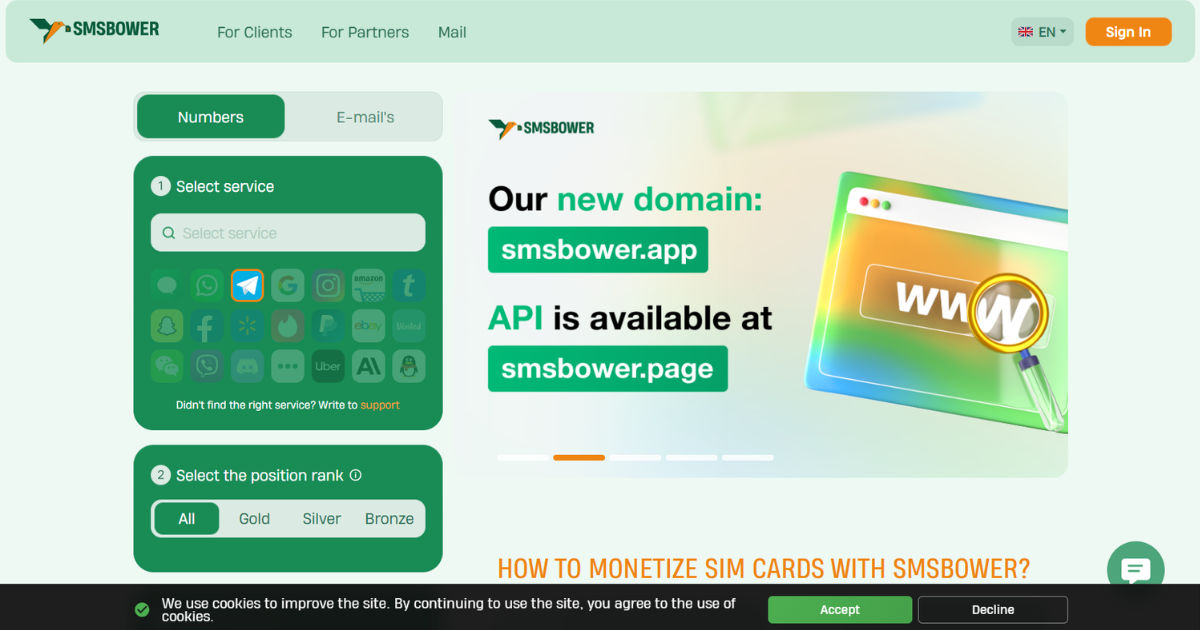
The concept of sms man is widely searched because users want to understand how sms man provides free or shared numbers for OTP verification and how the whole system actually works behind the scenes.
In simple terms, sms man is associated with virtual number services that help users receive SMS messages without using their personal phone number, and sms man plays a role in routing those messages through online platforms.
This blog will explain in a simple, educational way how sms man works for OTP receiving, what technology is involved, why people use it, and what risks or limitations come with it. You will also learn how sms man fits into the broader system of virtual SMS services. The goal is to make everything easy to understand for a 12th-grade level reader while keeping the explanation detailed and structured.
OTP Verification
OTP stands for One-Time Password, and it is used by almost every online platform today. Whenever you create an account or log in, you may receive a short code on your phone. This code proves that you are the real owner of the number.
Services like sms man are connected to this process because they provide alternative phone numbers that can still receive OTP messages. In many cases, users explore sms man when they do not want to share their personal number or when they need temporary access to a service.
OTP systems are designed for security. However, virtual number platforms like sms man work within telecom systems to forward SMS messages to online dashboards instead of physical SIM cards.
What is sms man in Simple Terms
At its core, sms man is a virtual number service that provides access to temporary phone numbers from different countries. These numbers are used to receive SMS messages online.
When someone uses sms man, they are not using a physical SIM card in a phone. Instead, sms man offers access to numbers that are connected to real SIM networks but managed through a digital platform.
The main idea of sms man is convenience. It allows users to receive OTP codes without revealing their private number. Many users also look at sms man as a way to test apps, create accounts, or manage multiple registrations.
However, it is important to understand that sms man does not work like a normal mobile phone. It operates through a system of shared or rented numbers connected to telecom operators.
How Virtual Number Systems Work
To understand sms man, we first need to understand how virtual numbers work in general.
A virtual number is a phone number that is not tied to a single physical SIM card. Instead, it is connected through cloud-based systems. When an SMS is sent to that number, it is routed through telecom networks and delivered to a digital platform.
In the case of sms man, the system collects SMS messages from multiple SIM cards placed in different locations. These messages are then displayed on a website or app interface.
The basic flow looks like this:
- A company sends an OTP to a virtual number.
- Telecom networks route the message.
- The system behind sms man receives the message.
- The message is displayed in a user dashboard.
This process allows sms man to act as a bridge between traditional mobile networks and online users.
How sms man Free Numbers Work for OTP Receiving
The idea of free numbers in sms man is based on shared access. Instead of giving a private number to one user, sms man may offer publicly available numbers that multiple users can use.
Here is a simplified explanation of how sms man handles OTP reception:
- A pool of SIM cards is connected to the system.
- Each SIM card is assigned a number.
- These numbers are listed on the sms man platform.
- Users select a number from sms man.
- OTP messages sent to that number appear on the platform.
Because these numbers are shared, anyone using sms man can see incoming messages for that number. This is why sms man is often used for temporary or non-sensitive tasks.
The system behind sms man depends on real telecom infrastructure but is controlled digitally through servers.
Technology Behind sms man
The technology behind sms man involves several components working together:
SIM Hosting Systems
Physical SIM cards are inserted into devices or SIM boxes. These SIMs receive SMS messages, and sms man connects them to a digital system.
SMS Gateways
Gateways are used to transfer SMS data from telecom networks into online platforms. sms man uses this type of system to display messages.
Cloud Dashboard
Users interact with sms man through a website or application. This dashboard shows incoming OTP messages in real time.
Automation Systems
Many parts of sms man are automated. When a message arrives, it is instantly processed and displayed for users.
Together, these technologies allow sms man to function as a real-time SMS receiving service.
Why People Use sms man Services
There are several reasons why users turn to sms man:
Privacy Protection
Some users do not want to share their personal number. sms man provides an alternative.
Testing and Development
Developers may use sms man to test OTP systems in apps without using real phone numbers.
Temporary Access
Some services require quick verification, and sms man can provide short-term numbers.
Multiple Account Creation
Users sometimes use sms man to manage multiple accounts, although this may go against platform rules.
Because of these reasons, sms man has become popular in the digital services ecosystem.
Free Numbers vs Paid Numbers in sms man
In sms man, there are usually two types of numbers:
Free Numbers
Free numbers are shared publicly. Anyone using sms man can access them. These numbers are often overloaded and may not always work for important services.
Paid Numbers
Paid numbers in sms man are more private. When a user rents a number, it is used for a limited time and is less likely to be shared.
The difference is mainly about reliability and privacy. sms man free numbers are more accessible but less secure, while paid options are more controlled.
Advantages of sms man Systems
Using sms man comes with certain advantages:
- Easy access to phone numbers
- No need for a physical SIM card
- Fast OTP receiving
- Useful for testing applications
- Global number availability
Many users prefer sms man because it removes the need for buying multiple SIM cards or devices.
Limitations of sms man
Despite its benefits, sms man also has limitations:
Lack of Privacy
Since free numbers are shared, anyone using sms man can see the messages.
Account Restrictions
Some platforms detect virtual numbers and may block them.
Unreliable OTP Delivery
Not all OTPs arrive successfully through sms man.
Security Risks
Using shared numbers in sms man can expose sensitive information.
These limitations make sms man suitable only for non-critical tasks.
Security and Ethical Considerations
Security is a major concern when using services like sms man. OTP systems are designed to protect user accounts, but virtual number services can sometimes weaken that protection.
Because sms man numbers are shared, there is always a risk that someone else might see your verification code. This is why sms man should not be used for banking, email recovery, or sensitive accounts.
Ethically, users should also be careful. Many platforms prohibit using temporary numbers like those provided by sms man for repeated or automated registrations.
Real-World Use Cases of sms man
Here are some common scenarios where sms man is used:
- Testing mobile apps during development
- Creating temporary accounts for trials
- Verifying non-critical online services
- Learning how OTP systems work
In all these cases, sms man acts as a temporary communication bridge.
How sms man Fits into Telecom Systems
To understand sms man deeply, it helps to see how it connects to telecom systems.
Traditional mobile networks route SMS messages through carrier towers and switches. sms man connects to this system using SIM hosting devices and gateways.
When a message is sent, it follows this path:
Mobile Network → SIM Card → SMS Gateway → sms man Platform → User Dashboard
This shows that sms man is not replacing telecom systems but building a digital layer on top of them.
Future of Virtual SMS Services like sms man
The future of services like sms man depends on regulation, technology, and security improvements.
As companies improve fraud detection, the use of shared numbers like those in sms man may become more restricted. At the same time, demand for privacy and testing tools will continue to grow.
It is likely that sms man and similar platforms will evolve into more secure and regulated systems with better identity control.
Conclusion
In conclusion, sms man is a virtual number platform that allows users to receive SMS messages and OTP codes without using a personal SIM card. The system behind sms man works by connecting real SIM cards to online dashboards through SMS gateways and cloud technology. While sms man offers convenience, privacy, and testing capabilities, it also comes with risks such as shared access, limited security, and possible service restrictions.
Understanding how sms man works helps users make informed decisions about when and how to use such services responsibly. It is a useful tool for development and temporary tasks, but it should not be used for sensitive or important accounts due to privacy concerns.
Overall, sms man represents a modern example of how telecom systems and internet technologies combine to create flexible communication tools in the digital age.