
Solar energy has become an increasingly popular choice for homeowners, businesses, and industries in Pakistan. With rising electricity costs and frequent power interruptions, many people are investing in solar systems to reduce their dependence on the national electricity grid. However, purchasing solar panels is a long-term investment, and buyers need to understand what happens if their equipment develops a problem. This is where warranties become important.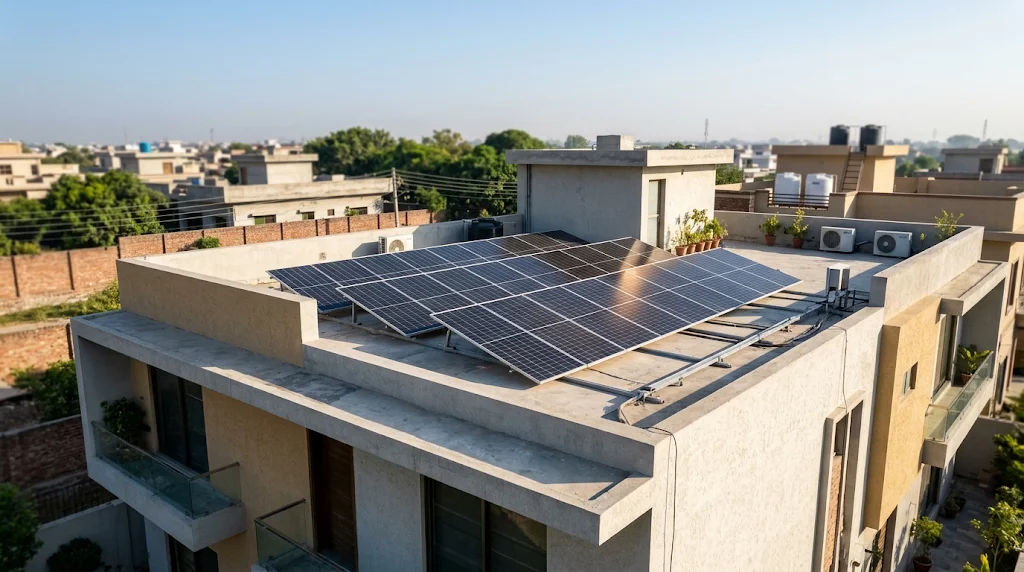
A solar panel warranty provides protection against certain manufacturing defects, performance losses, and equipment failures. It gives buyers confidence that their investment has some level of protection over time. Before making a purchase, customers should understand warranty conditions, coverage periods, exclusions, and claim procedures. Comparing the Solar panel price in Pakistan is important, but buyers should also examine the warranty offered by manufacturers and suppliers. A cheaper panel may not always provide the same level of protection as a product supported by a reliable manufacturer.
Understanding solar warranties can help customers avoid unexpected repair expenses and make better purchasing decisions. Whether someone is installing a small residential system or a large commercial project, knowing how warranties work is essential for protecting the overall investment.
Solar Panel Warranty in Pakistan
A solar panel warranty is an agreement between the manufacturer and the buyer that explains which problems will receive support during a specified period. It generally covers manufacturing defects, material failures, and certain performance-related issues.
In Pakistan, solar equipment is available through different manufacturers, distributors, wholesalers, and installation companies. Each company may provide different warranty conditions. Therefore, customers should never assume that every solar panel comes with identical protection.
A warranty document usually explains the coverage period, responsibilities of the manufacturer, conditions for making claims, and situations that are not covered.
For example, if a panel develops a manufacturing defect during the warranty period, the manufacturer may offer repair, replacement, or another solution according to its warranty policy.
However, accidental damage, incorrect installation, and poor maintenance may not qualify for warranty support.
Different Types of Solar Panel Warranties
Solar panels generally come with two major types of warranties. Understanding the difference between them is important because each protects against different problems.
Product Warranty
A product warranty protects customers against defects related to the manufacturing and materials used in solar panels.
These defects may include:
-
Manufacturing faults in the panel structure.
-
Problems with electrical connections.
-
Defective junction boxes.
-
Faulty connectors caused by manufacturing issues.
-
Problems with the panel frame or internal components.
Product warranty periods vary between manufacturers and models. Many modern solar panels offer product warranties ranging from 10 to 25 years, although some manufacturers provide different coverage periods.
Customers comparing the Solar panel price in Pakistan should check whether the advertised warranty is supported by the original manufacturer.
A longer product warranty can provide additional confidence, but its actual value depends on the manufacturer's reputation and ability to honour claims.
Performance Warranty
A performance warranty protects customers against excessive reductions in a solar panel's electricity-generating capability over time.
Solar panels naturally lose some efficiency as they age. This gradual reduction is called degradation.
Manufacturers generally specify the minimum power output that a panel should maintain after a particular number of years.
For example, a manufacturer might guarantee that a panel will retain at least 87% of its original rated output after 25 years. The exact figure depends on the product and its warranty documentation.
Performance warranties are particularly important in Pakistan because customers often expect their solar systems to operate for several decades.
Before purchasing, buyers should carefully review the performance guarantee rather than relying only on the advertised warranty duration.
How Long Does a Solar Panel Warranty Last?
Warranty periods depend on the manufacturer, panel technology, product series, and local distribution arrangements.
Different solar equipment manufacturers offer different coverage periods.
Some common warranty arrangements include:
-
Product warranties of 10 to 15 years.
-
Extended product warranties of 20 to 25 years.
-
Performance warranties commonly extending to 25 or 30 years.
These periods are general industry examples, not guaranteed terms for every panel sold in Pakistan.
A customer should always verify the actual warranty document associated with the selected model.
When comparing the Solar panel price in Pakistan, it is useful to consider the warranty period alongside efficiency, manufacturing quality, and technical specifications.
A panel with a longer warranty may appear more expensive initially, but reliable long-term support can provide additional value.
What Does a Solar Panel Warranty Cover?
Warranty coverage depends on the manufacturer's written conditions. However, certain problems are commonly addressed through product and performance warranties.
Manufacturing Defects
Manufacturing defects are among the main reasons customers use product warranties.
A panel may contain a problem that was present during production but becomes noticeable after installation.
Examples include defective electrical connections, damaged internal components, and manufacturing-related material problems.
If the issue meets the manufacturer's warranty requirements, the customer may qualify for a repair or replacement.
Material Quality Problems
Solar panels are designed to operate outdoors for many years.
Their materials must withstand sunlight, temperature changes, rain, dust, and other environmental conditions.
If materials fail because of a covered manufacturing defect, the manufacturer may provide warranty assistance.
Performance Reduction
Performance warranties address situations where a solar panel loses more generating capacity than the manufacturer has guaranteed.
For example, if a panel is guaranteed to maintain a particular output after 20 years but its verified performance falls below that level, the owner may be eligible to submit a claim.
The manufacturer usually requires technical testing before approving such a claim.
Junction Box and Electrical Component Defects
Some panel warranties also cover specific electrical components integrated into the panel.
However, customers should check whether connectors, cables, junction boxes, and other components are included in the manufacturer's coverage.
Not every electrical problem automatically qualifies for a solar panel warranty.
What Is Not Covered Under Solar Panel Warranty?
Understanding warranty exclusions is just as important as understanding coverage.
Many customers experience confusion because they assume that every type of panel damage will receive free replacement.
In reality, manufacturers usually exclude several situations.
Physical Damage
Damage caused by falling objects, accidents, improper handling, or external impacts may not be covered.
For example, if a heavy object damages a panel during construction work, the manufacturer may reject the warranty claim.
Incorrect Installation
Solar panels must be installed according to manufacturer instructions.
Incorrect mounting, unsuitable electrical connections, or improper handling can create problems that are not covered by the product warranty.
This is why selecting a qualified installation company is important.
Natural Disasters
Certain warranty agreements exclude damage caused by exceptional natural events.
These may include severe storms, flooding, lightning, and other extraordinary environmental conditions.
Customers should read their documents carefully to understand the exclusions.
Separate insurance may be useful for protecting a solar installation against risks that manufacturer warranties do not cover.
Poor Maintenance
Solar panels require reasonable care to maintain their performance.
Accumulated dust, bird droppings, and other surface contamination can reduce electricity generation.
However, ordinary cleaning requirements are generally different from manufacturing warranty coverage.
If a customer ignores maintenance recommendations and equipment problems develop, the manufacturer may investigate whether neglect contributed to the failure.
How to Check a Solar Panel Warranty Before Buying
Customers should review several details before paying for a solar installation.
A few simple checks can prevent misunderstandings later.
Verify the Manufacturer
Start by identifying the original manufacturer of the solar panels.
Check its official product information and warranty documentation.
Avoid purchasing products based only on attractive advertisements or verbal promises from sellers.
A reliable manufacturer should provide clear information about its warranty policies.
Check the Exact Model Number
Different models from the same manufacturer may have different warranty conditions.
Ask the seller for the complete model number and compare it with the information in the warranty document.
This is particularly important when comparing the Solar panel price in Pakistan across different suppliers.
Request Written Warranty Documents
Always request written proof of warranty coverage.
The document should clearly mention:
-
Product model and serial number requirements.
-
Product warranty duration.
-
Performance warranty conditions.
-
Claim submission procedure.
-
Warranty exclusions.
-
Manufacturer or authorised distributor details.
A verbal guarantee from a salesperson should never replace official documentation.
Confirm Local Warranty Support
A manufacturer may have a strong international reputation, but customers also need accessible warranty support in Pakistan.
Ask whether the supplier can assist with warranty claims.
Find out whether replacement panels are available locally and whether customers must communicate directly with the manufacturer.
These details can make a significant difference when a problem occurs.
How to Make a Solar Panel Warranty Claim in Pakistan
The warranty claim process may differ between manufacturers, but customers generally follow a similar procedure.
Step 1: Identify the Problem
First, determine what has happened to the solar panel.
The problem might involve physical defects, unusual performance reduction, electrical faults, or another technical issue.
Record when the problem started and whether it affects one panel or the entire solar system.
Step 2: Contact the Seller or Distributor
Contact the company that supplied the panels.
Provide the purchase invoice, product model, serial numbers, and available warranty documentation.
Explain the problem clearly and request guidance about the official claim process.
Step 3: Arrange a Technical Inspection
The supplier or manufacturer may request a technical inspection.
An authorised technician might examine the panel, inspect its electrical connections, and evaluate its performance.
For performance-related claims, testing may be required to determine whether the panel is producing less electricity than the guaranteed level.
Step 4: Submit the Required Documents
Manufacturers may request several documents before reviewing a warranty claim.
These can include:
-
Original purchase invoice.
-
Warranty certificate.
-
Panel serial numbers.
-
Installation details.
-
Photographs of the affected equipment.
-
Technical inspection reports.
Keep copies of all important documents from the beginning of the installation.
Step 5: Wait for the Manufacturer's Decision
After receiving the claim, the manufacturer or authorised distributor reviews the evidence.
If the issue qualifies under the warranty, the company may provide repair, replacement, or another remedy specified in its policy.
Customers should also ask whether transportation, labour, removal, and reinstallation expenses are covered.
Does Solar Panel Installation Affect Warranty?
Yes, installation quality can directly affect warranty protection.
Solar panels are designed according to specific technical requirements. If an installer ignores these instructions, equipment problems may develop.
Incorrect mounting can place unnecessary stress on panel frames.
Poor electrical connections may also create operational problems.
Customers should therefore select experienced installers who understand solar system design and manufacturer recommendations.
Before installation, ask the company whether it follows the manufacturer's installation instructions.
Also request an installation invoice and relevant system documentation.
When comparing the Solar panel price in Pakistan, remember that installation quality should be considered alongside the equipment cost.
A professionally installed system can reduce the risk of avoidable problems and make warranty claims easier to evaluate.
How Pakistani Weather Can Affect Solar Panel Performance
Pakistan experiences different weather conditions, including intense sunlight, high temperatures, dust storms, seasonal rainfall, and humidity.
These environmental factors can influence solar panel performance.
High Temperatures
Solar panels are exposed to direct sunlight for extended periods.
Although sunlight helps generate electricity, excessive heat can reduce their instantaneous operating efficiency.
This does not automatically indicate a manufacturing defect.
Customers should understand the temperature characteristics mentioned in the panel's technical specifications.
Dust and Pollution
Dust accumulation is a common challenge in many Pakistani cities.
A dirty panel surface can block sunlight and reduce electricity generation.
Regular inspection and appropriate cleaning can help maintain system performance.
Heavy Rain and Storms
Rain can naturally clean some surface dust, but severe weather may create additional risks.
Strong winds, flying objects, and flooding can affect the installation.
Customers should ensure that mounting structures and electrical protection systems meet appropriate safety requirements.
Humidity and Moisture
Moisture exposure can affect electrical connections if equipment is poorly designed or incorrectly installed.
Selecting suitable products and ensuring professional installation can help reduce these risks.
Warranty coverage should always be checked to determine how manufacturers address moisture-related failures.
Solar Panel Warranty and Price Comparison
Warranty protection should be an important part of every solar purchasing decision.
Some buyers focus entirely on finding the lowest Solar panel price in Pakistan without examining the manufacturer's support arrangements.
However, the initial purchase price does not explain the complete value of a solar panel.
A better comparison includes several factors.
Compare Product Quality
Examine the panel's efficiency, rated output, technology, construction, and technical specifications.
Two panels with similar wattage ratings may have different performance characteristics.
Compare Warranty Duration
Check both product and performance warranties.
A 25-year performance warranty does not necessarily mean that the panel also has a 25-year product warranty.
These are separate guarantees.
Compare Manufacturer Reputation
Research whether the manufacturer has an established history of producing solar equipment.
Look for transparent technical documentation and accessible customer support.
Compare Seller Reliability
A reliable supplier should provide genuine products, accurate invoices, and clear warranty information.
Customers should be cautious about sellers who cannot explain where warranty claims must be submitted.
The best purchasing decision balances equipment quality, price, installation, and long-term support.
Important Tips for Protecting Your Solar Panel Warranty
After purchasing a solar system, customers should take reasonable steps to protect their warranty rights.
Keep all purchase documents: Store invoices, warranty certificates, and installation records in a safe place.
Record serial numbers: Keep a written or digital record of each panel's serial number.
Use qualified installers: Make sure the installation follows manufacturer instructions.
Follow maintenance recommendations: Inspect the system regularly and clean panels using appropriate methods.
Avoid unauthorised modifications: Do not change equipment or electrical connections without checking the manufacturer's requirements.
Monitor system performance: Keep track of electricity generation and investigate unusual changes.
Contact authorised support: Use the official warranty process instead of relying on informal repair arrangements.
These precautions can make it easier to establish whether a problem qualifies for warranty coverage.
Common Mistakes Buyers Make About Solar Panel Warranties
Many customers misunderstand warranty conditions because they do not read the documents carefully.
One common mistake is confusing product warranties with performance warranties.
Another mistake is assuming that a 25-year warranty guarantees completely unchanged electricity production for 25 years.
Solar panels naturally experience gradual degradation, and performance guarantees account for this process.
Some buyers also believe that a warranty automatically covers labour, transportation, and installation expenses. These costs may be excluded depending on the agreement.
Another problem occurs when customers purchase panels without checking their authenticity.
A genuine panel with verifiable documentation is generally a safer choice than an unverified product offered at an unusually attractive price.
Finally, buyers sometimes depend entirely on verbal promises from sellers.
Written documentation is much more useful when a disagreement or technical problem occurs.
Are Solar Panel Warranties Transferable?
Some manufacturers allow warranties to transfer to a new property owner, while others impose specific conditions.
This question becomes important when someone sells a house or commercial property that already has an installed solar system.
A transferable warranty can increase the attractiveness of a property because the new owner may continue receiving the remaining protection.
However, transferability is not automatic.
The original owner may need to provide purchase records, installation details, and other documents.
Some manufacturers also require formal notification of ownership changes.
Anyone purchasing a property with an existing solar installation should request the original warranty documents and verify their validity directly with the manufacturer or authorised distributor.
Conclusion
Solar panel warranties play an important role in protecting customers who invest in renewable energy systems in Pakistan. They provide a level of protection against manufacturing defects, material failures, and excessive performance degradation. However, the actual protection depends on the manufacturer's written conditions, the product model, installation quality, and claim requirements.
Understanding the difference between product warranties and performance warranties is essential. A product warranty generally covers manufacturing-related problems, while a performance warranty addresses electricity-generating capacity over time. Both serve different purposes, and customers should examine them before purchasing solar equipment.
Buyers should also understand warranty exclusions. Physical damage, incorrect installation, poor handling, and certain environmental events may not qualify for manufacturer support. Selecting a qualified installer and following maintenance recommendations can help prevent avoidable problems.
When comparing the Solar panel price in Pakistan, customers should consider more than the initial cost. Product quality, manufacturer reputation, warranty duration, local support, and replacement arrangements all contribute to the long-term value of a solar investment. A slightly more expensive product may offer better protection if it comes from a reputable manufacturer with dependable warranty services.
Most importantly, customers should always request official warranty documents, verify product authenticity, keep purchase records, and understand the claim process. They should never depend entirely on verbal promises or assume that every warranty provides identical benefits.
With careful research and informed purchasing decisions, homeowners and businesses can select solar panels that offer dependable performance and meaningful long-term protection. Understanding warranty conditions before installation can reduce confusion, help manage future expenses, and make the transition towards solar energy more confident and practical.