
Owning a car comes with many responsibilities, and keeping it in good condition is one of the most important. While regular servicing helps maintain a vehicle's mechanical performance, the exterior bodywork also needs attention. Scratches, dents, damaged bumpers, fading paint, and accident damage can affect both the appearance and value of a car. 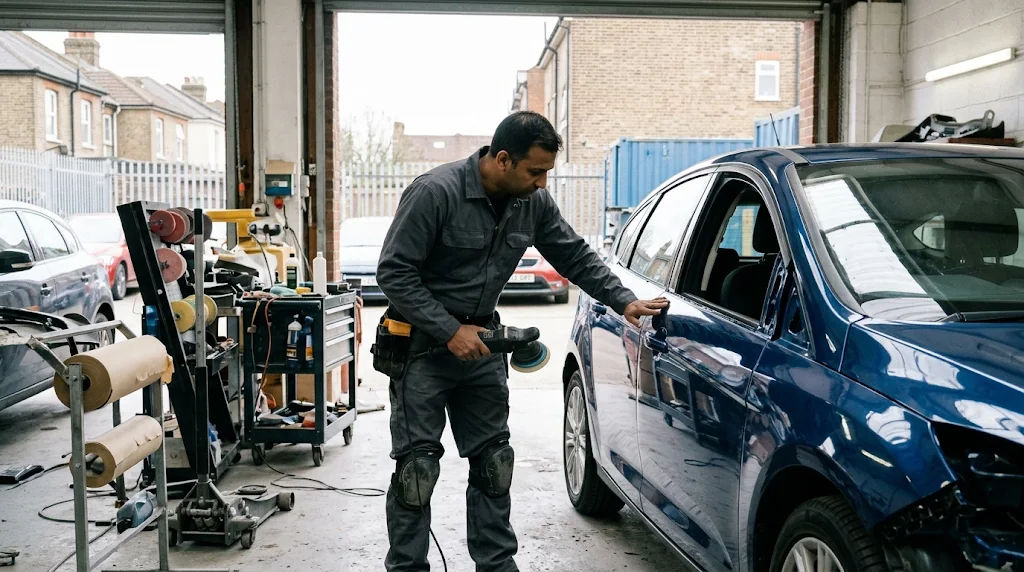 Knowing when to seek professional help can prevent minor problems from becoming more expensive repairs.
Visiting a professional repair centre at the right time can make a significant difference. A reliable body shop south east london can inspect visible damage, identify underlying problems, and recommend suitable repairs. Whether your vehicle has experienced a minor parking accident or more serious collision damage, professional attention helps restore its appearance and condition.
Many drivers delay bodywork repairs because they believe the damage is only cosmetic. However, even a small dent or cracked bumper can sometimes indicate a deeper problem. Understanding the warning signs, knowing which repairs require professional attention, and choosing the right time to visit a repair centre can help you protect your vehicle.
This comprehensive guide explains when you should visit a body shop, which problems require immediate attention, and how professional bodywork services can help keep your car looking and performing its best.
1. After a Road Accident
One of the most important times to visit a professional body repair centre is immediately after a road accident. Even a relatively minor collision can cause damage that is not immediately visible.
A vehicle may appear normal after a small impact, but its bumper, panels, lights, or internal mounting components could be damaged.
Visible Accident Damage
You should arrange an inspection if your car has experienced any of the following:
-
Dented doors or side panels.
-
Scratched or damaged bumpers.
-
Cracked headlights or taillights.
-
Broken wing mirrors.
-
Damaged bonnet or boot panels.
-
Misaligned body panels.
-
Damaged paintwork.
A professional technician can examine these areas and determine whether repairs or replacement parts are necessary.
Hidden Structural Damage
Accidents do not always leave obvious marks. Sometimes, an impact affects the vehicle's structure, alignment, or safety-related components.
Professional inspections can help identify problems that might otherwise remain unnoticed.
If you suspect structural or safety-related damage, avoid driving until the vehicle has been assessed by a qualified professional.
2. When You Notice Deep Scratches
Scratches are among the most common reasons drivers visit a body repair centre. They can happen when another vehicle brushes against your car, when shopping trolleys make contact with the paintwork, or when branches scrape against the body.
Not every scratch requires professional repair. However, deeper scratches should not be ignored.
Different Types of Scratches
Car paintwork generally consists of several protective and decorative layers.
A light surface scratch may affect only the clear coat. Deeper damage can reach the coloured paint layer or even expose the underlying metal.
The deeper the scratch, the greater the chance of corrosion developing if the affected area is left unprotected.
When Professional Repair Is Necessary
Consider visiting a repair specialist when:
-
The scratch is deep or clearly visible.
-
The underlying metal is exposed.
-
Several panels have scratches.
-
Previous repair attempts have produced uneven results.
-
The damaged paint is beginning to peel.
A professional technician can assess the damage and recommend polishing, touch-up work, or a more complete paint repair.
3. When Your Car Has Dents
Dents can affect the appearance of a vehicle even when the paint remains intact. They commonly occur in car parks, narrow streets, busy shopping areas, and during minor collisions.
Some dents are small enough to repair without repainting, while others require more extensive work.
Small Dents and Parking Damage
Small dents can make a vehicle look poorly maintained. Although they might not affect its operation, they can reduce its visual appeal.
Professional technicians may use paintless dent removal when the paint surface is undamaged and the dent is suitable for this method.
This approach can preserve the original paintwork.
Larger or More Complicated Dents
Larger dents may stretch the metal, damage paint, or affect nearby panels.
In these situations, a body shop can determine whether panel reshaping, filling, sanding, or repainting is required.
It is better to arrange an assessment early rather than allowing damaged paint and exposed metal to deteriorate.
4. When Your Bumper Is Damaged
Bumpers are designed to help manage the impact of collisions. Because they are positioned at the front and rear of a vehicle, they are particularly vulnerable to parking accidents and low-speed impacts.
A cracked or loose bumper should never be dismissed as a minor cosmetic issue.
Signs Your Bumper Needs Attention
Look for these warning signs:
-
Visible cracks.
-
Loose bumper corners.
-
Broken clips or mounting points.
-
Uneven gaps around the bumper.
-
Scratches and paint damage.
-
A bumper that moves unexpectedly.
Some modern vehicles also contain parking sensors and other equipment within or around the bumper.
Damage may affect these components, even if the exterior problem appears relatively small.
A professional inspection can establish whether the bumper needs repair, replacement, or additional component checks.
5. When Paintwork Starts Fading
Car paintwork protects the exterior body from environmental exposure while giving the vehicle its appearance.
Over time, sunlight, rain, road dirt, and pollution can affect its condition.
Drivers should consider professional attention when paint becomes dull, uneven, faded, or begins to peel.
Common Reasons for Paint Deterioration
Paint damage can develop because of:
-
Long-term exposure to sunlight.
-
Poor-quality previous paintwork.
-
Bird droppings left on the surface.
-
Tree sap and environmental contaminants.
-
Incorrect washing methods.
-
General ageing.
Professional Paint Restoration
A specialist can examine the affected surface and determine whether polishing, localised repainting, or a complete panel respray is appropriate.
If the original paint has deteriorated significantly, repainting may provide a more consistent finish.
Visiting a body shop south east london when paintwork begins to deteriorate can help prevent further damage and maintain the vehicle's appearance.
6. Before Selling Your Vehicle
If you are planning to sell your car, arranging a bodywork inspection can be a sensible decision.
Potential buyers often examine the exterior carefully before making an offer. Scratches, dents, mismatched paint, and damaged panels may create concerns about the vehicle's maintenance history.
Improve the Vehicle's Presentation
A professional repair centre can help address visible problems such as:
-
Minor dents.
-
Scratched panels.
-
Damaged bumpers.
-
Faded paintwork.
-
Small areas of corrosion.
-
Uneven paint finishes.
These improvements can make a vehicle look better maintained.
Financial Value
Not every repair will increase a car's resale value by more than its cost.
Before approving expensive work, compare the estimated repair cost with the vehicle's age, condition, and expected selling price.
A professional assessment can help you decide which repairs are worthwhile.
7. When Rust or Corrosion Appears
Rust is another important reason to visit a body repair specialist.
It develops when exposed metal reacts with moisture and oxygen. Once corrosion begins, it can gradually spread if the affected area is not treated properly.
This is particularly important for vehicles regularly exposed to wet weather and road contaminants.
Common Places Where Rust Develops
Check the following areas regularly:
-
Wheel arches.
-
Door edges.
-
Sills.
-
Bonnet edges.
-
Boot lid.
-
Areas around previous repairs.
-
Underneath damaged paintwork.
Why Early Treatment Matters
Small areas of corrosion may be easier to repair than extensive rust damage.
A technician can remove affected material where appropriate, prepare the surface, and apply suitable protective treatments and paint.
However, serious corrosion affecting structural components requires a proper safety assessment.
If you notice bubbling paint, brown marks, or deteriorating metal, arrange an inspection rather than simply covering the area with paint.
8. When Previous Repairs Look Uneven
Sometimes, a vehicle has already received bodywork repairs, but the results are not satisfactory.
Poor-quality repairs can affect the appearance and may cause further problems over time.
For example, paint colours may not match properly, panel gaps may appear uneven, or repaired surfaces may develop visible imperfections.
Signs of Unsatisfactory Repairs
Watch for:
-
Different shades of paint between panels.
-
Uneven surface finishes.
-
Visible sanding marks.
-
Paint peeling around repaired areas.
-
Panels that do not align correctly.
-
Loose trim or fittings.
A qualified technician can inspect previous work and explain whether correction is possible.
If you are unhappy with an earlier repair, obtaining an independent assessment can help you understand your options.
9. When Your Vehicle Has Weather Damage
Weather conditions can affect the exterior condition of your vehicle.
Heavy rain, strong winds, falling branches, and hail can all cause damage to body panels, windows, paintwork, and exterior fittings.
Hail and Falling Debris
Hail can leave multiple small dents across the bonnet, roof, and boot.
Falling branches or other debris may cause deeper dents and scratches.
Even when the damage appears limited, a professional inspection can help determine the appropriate repair method.
Water-Related Damage
Floodwater can affect more than the exterior bodywork.
If your vehicle has been exposed to significant flooding, it may have electrical, mechanical, or structural problems.
Do not assume that cleaning or repainting the exterior will solve the issue. Have the vehicle assessed by appropriate automotive professionals before using it again.
10. When You Notice Loose or Misaligned Panels
Body panels should fit securely and maintain consistent gaps around doors, bonnets, boots, and bumpers.
If you notice that a panel has moved, become loose, or no longer closes properly, it may indicate damaged mounting points or previous impact damage.
Common Warning Signs
You should arrange an inspection if:
-
A door becomes difficult to close.
-
The bonnet does not sit evenly.
-
The boot lid appears misaligned.
-
A bumper has separated from the body.
-
Panel gaps suddenly become uneven.
-
Exterior trim becomes loose.
These problems can sometimes result from damaged clips, hinges, brackets, or other components.
A repair specialist can identify the cause and recommend suitable work.
11. Before a Long Journey
A long journey is another sensible time to check your vehicle's exterior condition.
Although a bodywork inspection does not replace routine mechanical servicing, it can identify problems that should be addressed before travelling.
For example, damaged lights, loose bumper components, broken mirrors, and poorly secured exterior fittings may create safety concerns.
What Should You Check?
Before travelling, inspect:
-
Headlights and rear lights.
-
Wing mirrors.
-
Windscreen condition.
-
Bumper security.
-
Doors and boot closure.
-
Visible body damage.
-
Number plate condition.
If anything appears unsafe, arrange an appropriate inspection before setting off.
A body shop south east london may be able to help with exterior repairs, while mechanical and electrical concerns should be assessed by the relevant specialists.
12. When You Want to Restore an Older Car
Older vehicles often develop several cosmetic problems over time.
Their paint may lose its shine, panels may become scratched, and previous repairs may begin to deteriorate.
If you want to improve the appearance of an older vehicle, professional bodywork restoration can be worth considering.
Assessing the Vehicle's Condition
Before starting restoration, a technician should examine:
-
Existing paintwork.
-
Rust and corrosion.
-
Panel condition.
-
Previous accident repairs.
-
Damaged exterior fittings.
-
Areas requiring replacement.
This assessment helps establish the amount of work required.
Planning Restoration Work
Restoration can involve dent removal, panel repairs, surface preparation, repainting, and protective finishing.
It is important to agree on the scope of work and budget before starting.
A detailed quotation can help you understand which repairs are essential and which improvements are optional.
13. How to Choose the Right Body Repair Centre
Knowing when to visit a repair centre is important, but choosing the right professional is equally essential.
Different workshops offer different services, levels of experience, and repair methods.
Before making a decision, take time to compare your options.
Check Experience and Qualifications
Look for technicians with relevant automotive body repair experience.
Ask whether the workshop regularly handles the type of damage affecting your vehicle.
For example, repairing a small dent may require different skills and equipment from restoring a vehicle after a serious collision.
Ask About Repair Methods
A professional workshop should explain the proposed repair process.
Depending on the damage, this may include:
-
Dent removal.
-
Panel beating.
-
Bumper repairs.
-
Paint matching.
-
Surface preparation.
-
Panel replacement.
-
Corrosion treatment.
Clear explanations help you understand what is being done and why.
Request a Written Quotation
Always ask for a written estimate before authorising repairs.
The quotation should explain the expected work, parts, labour, paint costs, and any additional charges that may apply.
You should also ask whether the estimate could change if hidden damage is discovered.
Check Previous Customer Feedback
Customer reviews can provide useful information about a workshop's communication, workmanship, reliability, and customer service.
Look for consistent feedback rather than relying entirely on one positive or negative review.
You can also ask whether the workshop provides a warranty on its repairs and paintwork.
14. How Often Should You Inspect Your Car's Bodywork?
There is no single inspection schedule that suits every vehicle.
However, checking the exterior regularly can help you identify problems before they become more serious.
A simple visual inspection every few weeks is a useful habit.
Areas to Examine Regularly
Pay attention to:
-
Paint condition.
-
Door edges.
-
Bumper corners.
-
Wheel arches.
-
Exterior mirrors.
-
Headlights and taillights.
-
Windscreen and windows.
-
Previous repair areas.
You should also inspect your vehicle after any collision, falling-object incident, or event that may have caused exterior damage.
Regular cleaning makes it easier to notice changes in the paintwork and body panels.
15. What Should You Expect During a Body Shop Visit?
If you have never visited a professional body repair centre, understanding the process can make the experience easier.
Most repair appointments begin with an assessment of the vehicle.
Initial Vehicle Inspection
The technician examines the damaged areas and may take photographs to document the condition.
They may also check surrounding panels and fittings to identify related problems.
Repair Recommendation
After assessing the damage, the workshop explains which repairs are necessary.
For example, a scratched bumper might require surface preparation and repainting, while a cracked bumper may need replacement.
Quotation and Approval
You should receive information about the expected cost and repair timeframe.
Ask questions if anything is unclear, and make sure you understand the proposed work before approving it.
Repair and Quality Checks
Once authorised, technicians carry out the agreed repairs.
Before collecting your vehicle, check the repaired areas and ask about any relevant aftercare instructions.
A reputable workshop should be willing to explain the completed work.
Conclusion
Knowing when to visit a professional body repair centre can help protect your vehicle's appearance, condition, and long-term value. Although some exterior imperfections are purely cosmetic, others may indicate more serious problems that should not be ignored.
You should consider professional attention after an accident, when you notice deep scratches, dents, bumper damage, fading paint, rust, or misaligned panels. Weather damage, unsatisfactory previous repairs, and preparation for selling your vehicle are also good reasons to arrange an inspection.
The most important principle is to avoid delaying repairs when damage could affect vehicle safety or allow further deterioration. Small paint problems may become more expensive if exposed metal begins to corrode, while loose bumpers and damaged exterior fittings can create additional concerns.
Choosing an experienced body shop south east london can make the repair process more straightforward. Look for qualified technicians, clear communication, transparent quotations, suitable repair methods, and evidence of previous workmanship.
It is also worth remembering that professional bodywork maintenance is not only about making a car look attractive. Properly repaired panels, protected paintwork, and secure exterior components all contribute to maintaining the vehicle's overall condition.
By inspecting your car regularly, responding quickly to visible damage, and seeking professional advice when necessary, you can avoid many preventable problems. Whether you need a small dent repaired, accident damage assessed, or older paintwork restored, arranging the right repair at the right time is a practical investment in your vehicle.