
Ultherapy has become a popular non-surgical option for people who want firmer skin, a more defined jawline, and a refreshed appearance without undergoing cosmetic surgery. However, one of the most common questions people ask before choosing this treatment is how many sessions they actually need to achieve noticeable results. The answer depends on several factors, including age, skin condition, the amount of skin laxity, and individual treatment goals. 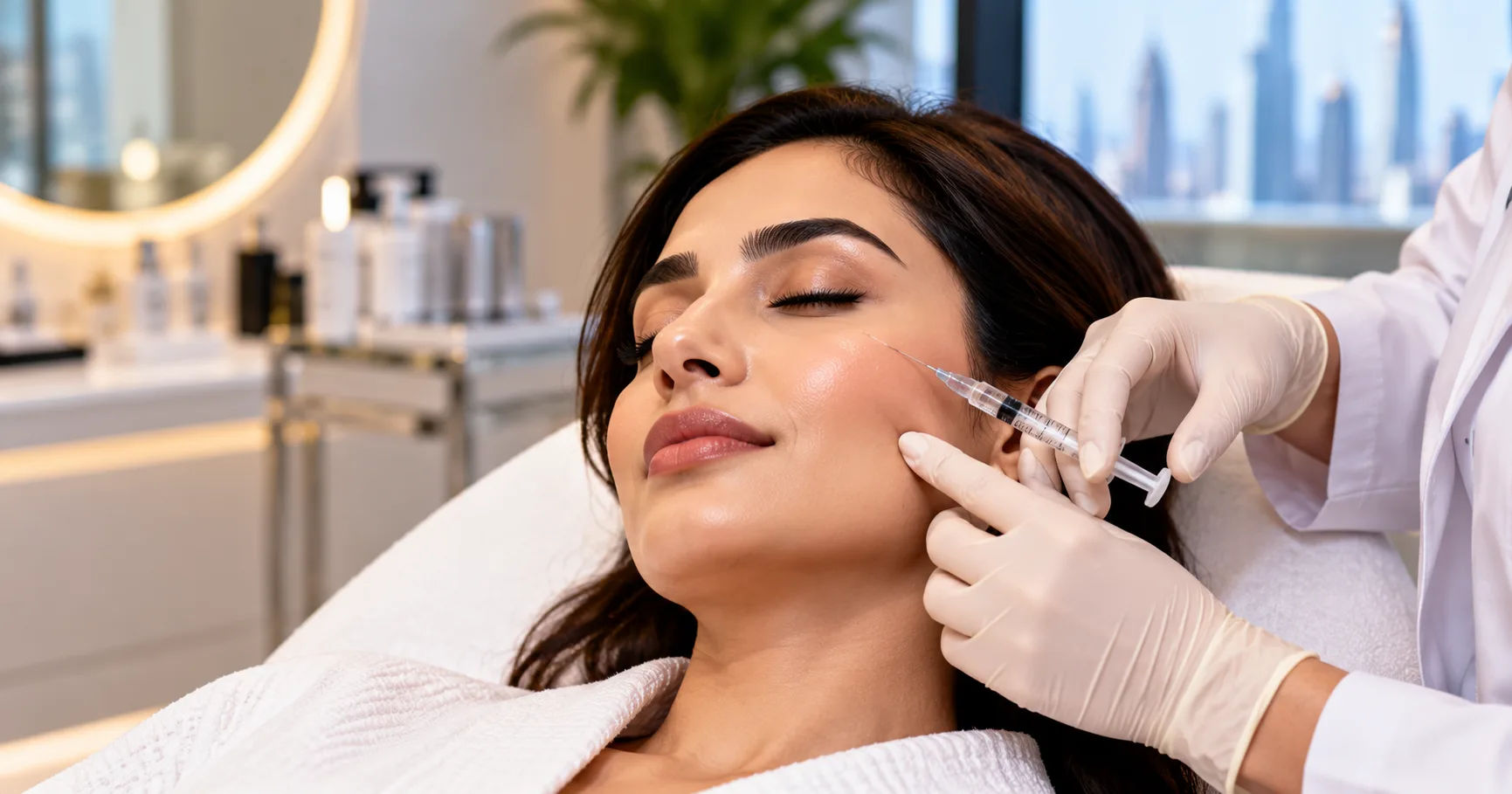 For anyone considering Ultherapy in Karachi, understanding the recommended number of sessions can make it easier to plan treatment, manage expectations, and choose a suitable skincare approach. Some people may achieve their desired improvement after a single session, while others may benefit from a personalized treatment plan that includes follow-up assessments and, in selected cases, additional treatments.
Ultherapy uses focused ultrasound energy to stimulate collagen production in deeper layers of the skin. Unlike surgical facelifts, it does not require incisions or extensive recovery time. Nevertheless, results develop gradually, so understanding the treatment schedule is essential before making a decision.
This comprehensive guide explains how many sessions are generally needed, which factors influence treatment frequency, when results become visible, and how to maintain improvements over time.
How Ultherapy Works
Ultherapy is a non-invasive cosmetic procedure designed to improve skin firmness and address mild to moderate skin laxity. It uses focused ultrasound energy to deliver controlled heat to targeted tissue beneath the skin's surface.
This energy stimulates the body's natural collagen-building process. Collagen is a structural protein that helps skin remain firm, elastic, and supported. As collagen levels decline with age, the skin may gradually develop sagging, fine lines, and less-defined facial contours.
What Happens During Treatment?
Before treatment, a qualified practitioner assesses the skin and identifies the areas that may benefit from ultrasound therapy. These areas can include the forehead, eyebrows, cheeks, jawline, chin, and neck.
A handheld device delivers focused ultrasound energy to selected depths. The practitioner adjusts the treatment according to the patient's anatomy, skin condition, and cosmetic goals.
The procedure does not remove excess skin. Instead, it encourages gradual improvement in the skin's underlying support structure.
Why Is Collagen Important?
Collagen production naturally decreases as people age. Sun exposure, smoking, environmental stress, and genetic factors may contribute to changes in skin quality.
Ultherapy encourages new collagen formation, which can gradually improve firmness and create a subtle lifting effect. Since collagen development takes time, the full benefits are not usually visible immediately after treatment.
This gradual process also explains why patients should not judge the outcome solely by looking at their skin during the first few days.
How Many Ultherapy Sessions Are Usually Needed?
For many suitable patients, one treatment session is often enough to produce noticeable improvement. Ultherapy is generally designed as a treatment that stimulates collagen over several months rather than a procedure requiring frequent sessions within a short period.
However, the exact number of sessions varies from person to person. A younger individual with mild skin laxity may need a different approach from someone with more noticeable sagging or reduced skin elasticity.
One Session for Mild Skin Laxity
People with early signs of aging may respond well to a single treatment session. Their skin may have relatively good collagen reserves, and the amount of laxity may be limited.
In these cases, treatment may focus on improving firmness around the jawline, cheeks, brow area, or neck.
The results generally develop gradually. Although some patients notice an early change, the more meaningful improvement often becomes apparent over the following two to three months.
One Session for Moderate Skin Laxity
Patients with moderate sagging may also benefit from one carefully planned session. However, their results can be less dramatic than those achieved by people with milder concerns.
The practitioner must consider the degree of skin laxity, the treatment area, and the patient's expectations before recommending a procedure.
A single session may provide a visible improvement without completely correcting deeper folds or substantial sagging.
When Might Additional Sessions Be Considered?
Additional treatment may be discussed when the initial result is limited, the skin continues to change, or the patient's goals require a broader treatment plan.
However, more sessions do not automatically produce better outcomes. Repeating treatment too frequently may expose the skin to unnecessary energy and increase the risk of adverse effects.
A qualified practitioner should assess the initial response before recommending another session. The timing should be based on clinical judgment, the device used, and the individual's skin condition rather than a fixed schedule.
Factors That Determine the Number of Sessions
There is no universal session count that suits everyone. Several important factors influence whether one treatment is likely to be sufficient.
Age and Natural Collagen Levels
Age can influence skin elasticity and the body's ability to produce collagen. Younger adults with early skin laxity may respond differently from older adults who have experienced more significant structural changes.
However, age alone does not determine treatment suitability. Two people of the same age may have very different skin conditions because of genetics, lifestyle, sun exposure, and previous cosmetic treatments.
Degree of Skin Sagging
The amount of sagging is one of the most important considerations.
People with mild laxity may achieve their goals with one session. Those with moderate laxity may experience a more subtle improvement and need a discussion about realistic outcomes.
Significant excess skin is less likely to respond adequately to Ultherapy alone. In such cases, a practitioner may explain alternative procedures rather than recommending repeated ultrasound treatments.
Treatment Area
Different facial and body areas may respond differently to ultrasound therapy.
For example, treatment around the eyebrows may aim to create a modest lifting effect, while treatment along the jawline may focus on improving definition. Neck treatment may target loose skin beneath the chin or around the lower face.
The size of the treatment area, tissue depth, and desired outcome influence the treatment plan. A larger area does not necessarily mean that several separate sessions are required.
Skin Quality and Lifestyle
Sun damage, smoking, poor sleep, and other lifestyle factors may affect skin quality and the aging process.
Maintaining healthy habits cannot guarantee better Ultherapy results, but it can support overall skin health. Consistent sun protection and a balanced skincare routine are useful parts of long-term care.
Individual Treatment Goals
Some patients want a subtle refresh, while others expect a more noticeable improvement in facial contours.
It is important to understand that Ultherapy produces gradual, generally modest lifting rather than the dramatic change that may be possible with surgery. The treatment plan should reflect what is realistically achievable without compromising safety.
When Will Results Become Visible?
Understanding the timeline is just as important as knowing the number of sessions.
Ultherapy stimulates biological processes that take time. Therefore, patients should allow sufficient time for collagen remodeling before deciding whether another treatment is necessary.
Immediately After Treatment
Some people notice temporary firmness or a slight lifting effect shortly after the procedure. This may partly reflect immediate tissue responses, but it should not be considered the final result.
Mild redness, tenderness, swelling, or sensitivity can occur. These effects are generally temporary, although their duration varies.
After One to Three Months
During the first few months, the body's collagen-building response develops progressively. Skin may begin to look firmer, and certain facial contours may appear more defined.
The amount of improvement depends on the original skin condition and the treatment performed.
It is helpful to take photographs before treatment and compare them with later photographs under similar lighting conditions. This can make gradual changes easier to recognize.
After Three to Six Months
Many patients see their more developed results around three months, with continued improvement possible over several additional months.
If the skin still appears to be changing, the practitioner may recommend waiting before assessing the need for further treatment.
A decision made too early may lead to unnecessary repeat procedures because the collagen response has not yet fully developed.
Is One Ultherapy Session Enough for Long-Lasting Results?
For many patients, one session can provide results that last for several months or longer. However, Ultherapy does not stop the natural aging process.
Skin continues to respond to age, sun exposure, lifestyle, and other influences after treatment. Consequently, the duration of improvement varies considerably.
How Long Can Results Last?
Results are often described as lasting around a year, and some patients may experience benefits for longer. Others may notice that improvements fade sooner.
These estimates are not guarantees. Treatment technique, individual biology, skin condition, and the extent of the initial response all influence longevity.
A practitioner should explain the likely outcome for the specific treatment area rather than promise a fixed duration.
When Should You Consider Maintenance?
Maintenance may be discussed when the initial improvement begins to diminish. Some patients consider another treatment after approximately 12 to 18 months, but this is not a universal requirement.
The appropriate interval depends on the patient's response and clinical assessment. There is no need to repeat treatment simply because a particular number of months has passed.
If the skin remains satisfactory, additional treatment may not be necessary at that time.
What Happens During an Ultherapy Appointment?
Knowing what to expect can help patients feel more comfortable and prepare for the procedure.
Initial Consultation
The appointment usually begins with an assessment of skin laxity, facial anatomy, medical history, and cosmetic goals.
The practitioner should explain the expected degree of improvement, possible side effects, treatment alternatives, and whether the procedure is appropriate for the patient.
This is also the time to discuss previous cosmetic procedures, medications, and any relevant medical conditions.
Preparing for the Procedure
Preparation instructions depend on the clinic and the treatment plan. Patients should follow the practitioner's guidance and disclose any factors that may affect treatment suitability.
It is sensible to ask whether the device is an authentic Ultherapy system and whether the person performing the procedure has appropriate training.
The treatment area should be evaluated carefully so the energy can be delivered at suitable depths.
During the Session
Treatment duration varies according to the size of the area and the number of ultrasound lines delivered. A session may take approximately 30 to 90 minutes, although some procedures take longer.
Patients may experience warmth, tingling, or brief discomfort during energy delivery. Sensitivity varies, and pain management options should be discussed with the practitioner beforehand.
After the Session
Most patients can return to normal daily activities relatively quickly. Temporary redness, swelling, tenderness, bruising, or tingling may occur.
Less commonly, patients can experience burns, altered sensation, or temporary weakness affecting nearby nerves. Persistent or worsening symptoms should be assessed by a medical professional.
Following aftercare instructions and attending any recommended review appointments can help ensure that the recovery and results are evaluated appropriately.
How to Choose a Clinic for Ultherapy in Karachi
Selecting a suitable clinic is an important part of achieving a safe and satisfactory outcome. The quality of assessment and treatment technique can influence both effectiveness and the risk of complications.
Check the Practitioner's Qualifications
Choose a qualified medical professional with relevant experience in aesthetic procedures and ultrasound-based skin treatments.
Ask who will perform the treatment and whether they have specific training with the device. A responsible practitioner should be willing to explain the procedure and answer questions clearly.
Confirm the Device and Treatment Plan
Patients should ask whether the clinic uses an authentic Ultherapy device and appropriate imaging or visualization features where available.
Ultrasound visualization can help trained practitioners assess tissue depth and guide energy delivery. Patients should not assume that every treatment advertised as ultrasound lifting uses the same technology.
The clinic should also explain why a particular number of sessions is recommended instead of automatically selling a package.
Discuss Risks and Realistic Expectations
A reliable provider should explain both the potential benefits and limitations. They should not guarantee perfect lifting, complete wrinkle removal, or permanent results.
Ultherapy is not suitable for everyone, and the practitioner should consider alternative options when another treatment would be more appropriate.
When comparing options for Ultherapy in Karachi, prioritize professional standards, transparent pricing, device authenticity, and individualized care over promotional claims.
How Much Does the Number of Sessions Affect Cost?
The total cost depends on several factors, including the treatment area, the device used, the provider's experience, and the amount of treatment required.
A single session may cost less overall than a multi-session plan, but the cheapest option is not necessarily the safest or most effective.
Understand What the Price Includes
Before booking, ask whether the quoted price includes consultation, treatment, follow-up assessment, and any recommended aftercare.
Also clarify whether the clinic charges separately for different areas, such as the face, jawline, and neck.
Avoid Unnecessary Treatment Packages
Because many suitable patients need only one session initially, purchasing a large package before receiving a proper assessment may not be necessary.
A clinic should be able to explain the reason for each proposed session. If a provider recommends several closely spaced treatments without explaining the clinical rationale, consider obtaining a second opinion.
The goal should be an appropriate treatment plan, not the highest possible number of appointments.
Can You Improve Results After Ultherapy?
Although the treatment stimulates collagen, everyday skincare habits remain important for maintaining healthy skin.
Protect Your Skin From Sun Exposure
Ultraviolet radiation contributes to collagen breakdown and premature skin aging. Applying broad-spectrum sunscreen with SPF 30 or higher, wearing protective clothing, and limiting excessive sun exposure can help protect the skin.
These measures support skin health but do not guarantee that Ultherapy results will last longer.
Follow a Consistent Skincare Routine
A gentle cleanser, suitable moisturizer, and daily sunscreen provide a useful foundation for most skincare routines.
Other ingredients, such as retinoids, may benefit some people, but they should be introduced according to individual skin tolerance and professional advice.
Avoid adding several strong products immediately after treatment if the skin is irritated or sensitive.
Maintain Healthy Habits
Adequate sleep, balanced nutrition, avoiding smoking, and staying hydrated support general health and normal skin function.
These habits cannot replace professional treatment, but they may help maintain skin quality over time.
Attend Follow-Up Assessments
Follow-up appointments allow the practitioner to evaluate the treatment response and discuss any concerns.
Photographs and consistent assessments can help determine whether the result meets the patient's expectations or whether another approach should be considered.
Conclusion
The number of Ultherapy sessions needed depends on the patient's age, skin condition, degree of sagging, treatment area, and desired results. For many suitable individuals, one session is enough to stimulate collagen production and create a noticeable improvement over the following months. However, results vary, and no treatment can guarantee the same degree of lifting for everyone.
When considering Ultherapy in Karachi, it is important to understand that this procedure works gradually. Initial changes may appear earlier, but more developed results commonly emerge over two to three months and may continue improving for several additional months. Assessing the outcome too soon can lead to unrealistic expectations or unnecessary repeat treatments.
Additional sessions are not automatically required. Some patients may consider maintenance treatment when their results begin to diminish, while others may remain satisfied for longer. The timing should be determined by a qualified practitioner after evaluating the skin and reviewing the original treatment response.
Choosing an experienced provider, confirming the authenticity of the device, understanding possible side effects, and following appropriate aftercare instructions are all important steps. Patients should also remember that Ultherapy is generally most appropriate for mild to moderate skin laxity and may not replace surgery when sagging is significant.
Ultimately, the best treatment plan is one that matches your individual needs, prioritizes safety, and sets realistic expectations. A professional consultation can help determine whether one session is likely to be sufficient or whether another approach would better support your cosmetic goals.